



THE LAW | Part 1: Cameroon’s Stance on the “A-Word”
 admin
adminWelcome to the first drop of THE LAW—a new series by Youth Ignite CMR where we stop whispering and start talking facts.
If you live in Cameroon, you already know the vibes: SRHR (Sexual and Reproductive Health and Rights) is often treated like a “hidden level” in a video game. It’s hard to find, people don’t want to talk about it, and if you make the wrong move, the “Game Over” screen is real.
Today, we’re tackling the biggest “taboo” of them all: Abortion. The Status Quo: It’s Giving… “Restricted” Let’s set the scene. In Cameroon, the official stance on abortion is highly restrictive. This isn’t just a vibe; it’s baked into our legal system. For decades, the conversation has been buried under “traditional values” and “cultural norms” that prioritize childbearing above everything else—even when the person carrying the pregnancy isn’t ready, isn’t safe, or didn’t consent.
But here is the real tea: While the law tries to keep things in the dark, the reality is that young people are still making these choices every single day. The difference? Without the law on their side, they’re doing it in ways that put their lives on the line.
The Penal Code: Meeting the “Big Three”
If you want to understand why things are the way they are, you have to look at the Penal Code of 1990 (and its 2016 remix). Specifically, Sections 337, 338, and 339. These three sections are the blueprint for how the state views your body.
1. Section 337: The “No-Go” Zone
This is the section that makes abortion a crime. It says that any woman who procures an abortion for herself, or even just consents to it, is looking at 15 days to 1 year in prison plus fines.
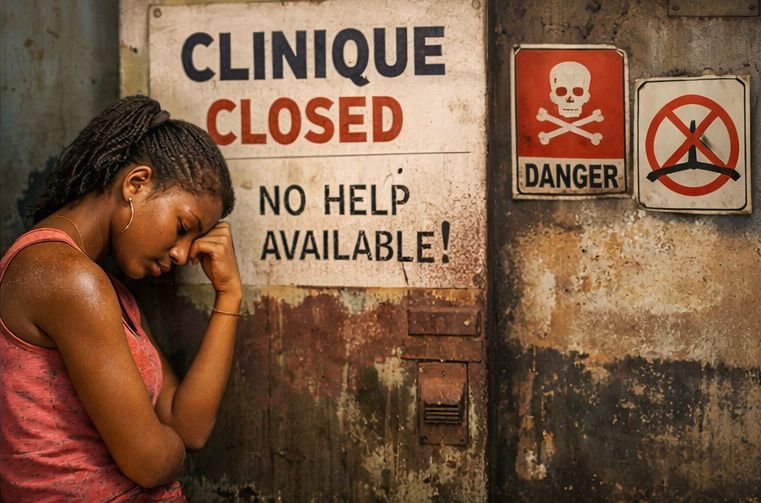
- The Catch: It also goes after the “plug”—doctors, nurses, or anyone who helps. For them, the jail time is even longer (1 to 5 years). This is why so many clinics get “scared” and turn people away, even in emergencies.
2. Section 338: Protection vs. Control
This section is technically about “Assault on a Pregnant Woman.” It’s meant to punish anyone who harms a woman and causes her to lose her pregnancy. While it sounds like it’s there for protection, it reinforces the idea that the fetus is a legal entity that the state must guard, often at the expense of the woman’s own autonomy.
3. Section 339: The “Legal Cheat Code” (The Exceptions)
Pay attention to this part, because this is where the advocacy happens. Section 339 says the “crimes” mentioned above don’t count if:
- The abortion is performed by a professional to save the mother from “grave danger to her health.”
- The pregnancy is a result of rape.
Wait, there’s a catch (as always): Even if you qualify under Section 339, the system makes you jump through hoops. You need a medical doctor and a written opinion from a Prosecutor. It’s a bureaucratic marathon that most youths don’t have the time or money to run.
Why Are We Still Using “Legacy” Laws?
The wildest part? Most of these laws are leftovers from the colonial era. While the rest of the world (and many other African countries) are updating their laws to reflect modern human rights, our Penal Code is still stuck in the past.
In 2008, Cameroon ratified the Maputo Protocol—an international “Queen Energy” treaty that says women have a right to safe abortion in cases of rape, incest, or health risks. But there’s a massive glitch in the system: our local laws (The Penal Code) and our international promises (Maputo) are currently fighting each other.

The Real-World Consequences (The “Heartbreak” Receipts)
When the law is this confusing and restrictive, the results aren’t just “legal debates”—they are tragedies.
- Knowledge Gap: Only 3 in 10 young Cameroonians actually know what the law says.
- The 1%: Less than 1% of people who qualify for a legal abortion actually get one.
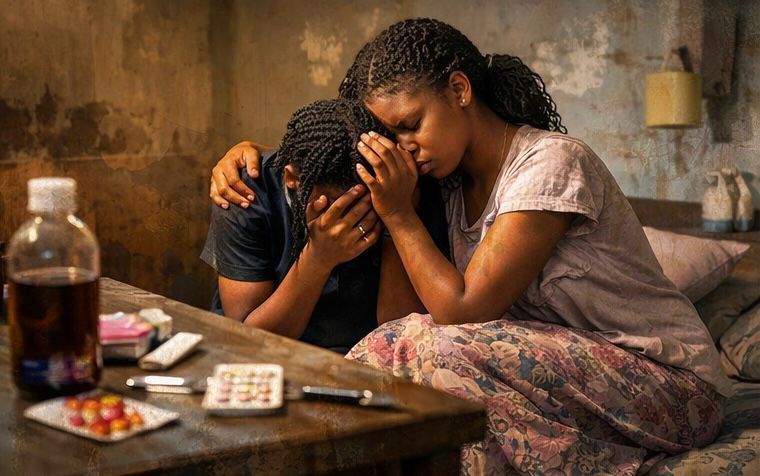
- Unsafe Methods: Because safe paths are blocked, people turn to “concoctions,” sharp objects, or “back-alley” providers. We’re losing sisters, friends, and students to preventable complications.
Why “THE LAW” Series is Your New Bestie
We’re launching this category because information is armor. You cannot advocate for your body if you don’t know the rules they’re using to control it.
Over the next few weeks, we’re going to break down:
- Part 2: The Maputo Protocol (The “International Cheat Code”).
- Part 3: How to navigate the Prosecutor/Doctor maze if you’re a survivor.
- Part 4: What “Post-Abortion Care” (PAC) is and why it’s a legal right in every hospital.

The Final Word
SRHR isn’t just a “topic”—it’s our life. We’re done with the silence. We’re done with the shame. We’re here to learn, to shout, and to ignite change.
SRHR is a Right, not a Luxury!